 Photo Credit to Ipil Kalahi-Cidss PCRP
Ipil Launches Municipal Resilience Team to Strengthen Disaster Preparedness, Community Readiness
IPIL, Zamboanga Sibugay — “The best time to prepare is before the challenge arrives.”
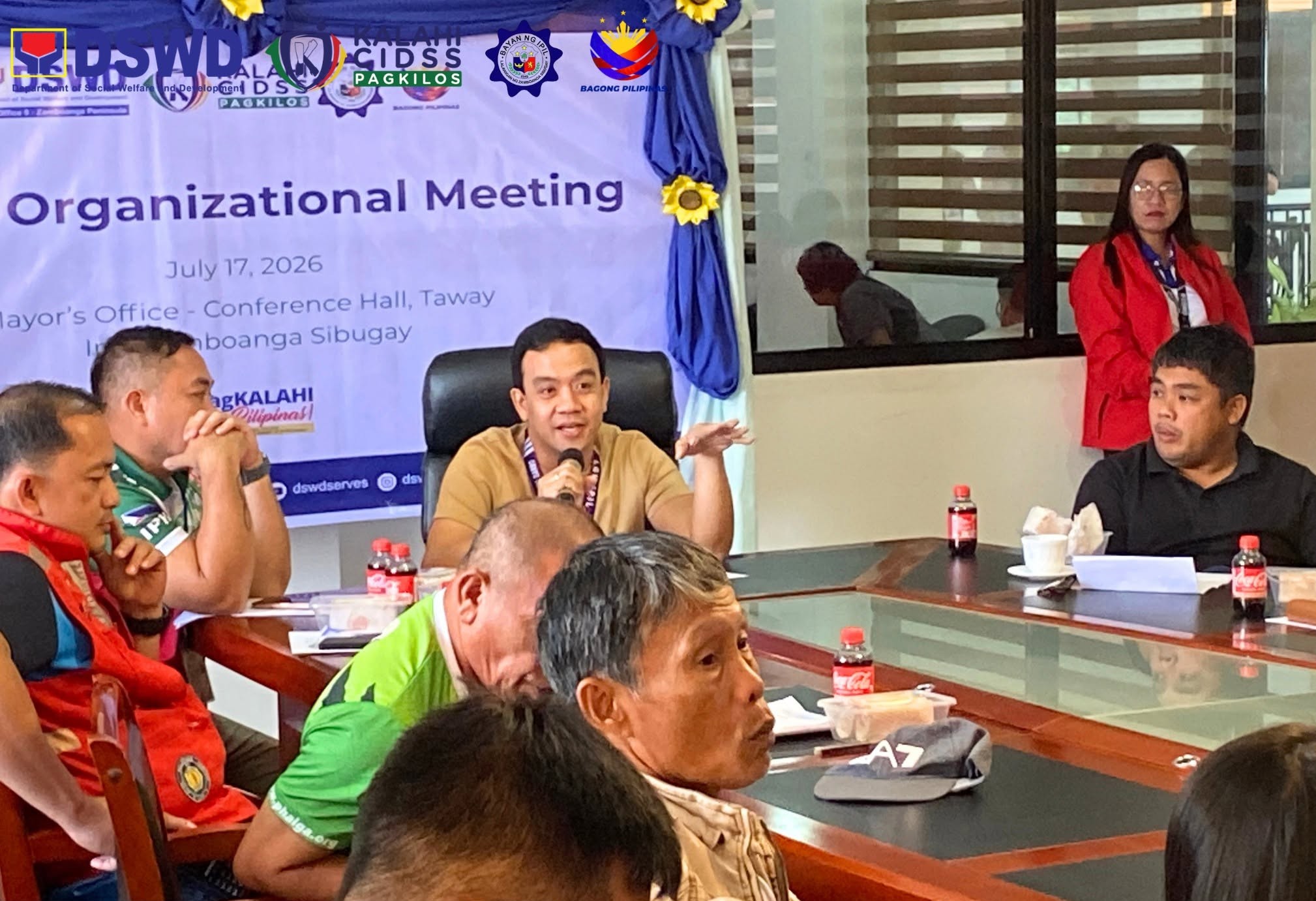
With this message, Mayor Ramses Troy D. Olegario underscored the importance of proactive disaster preparedness as the Municipality of Ipil formally launched the organization of its Municipal Resilience Team (MResT) under the DSWD KALAHI-CIDSS Panahon ng Pagkilos Program.
The organizational meeting gathered key stakeholders, including the Local Chief Executive, representatives from the Local and Provincial Disaster Risk Reduction and Management Offices (DRRMOs), Punong Barangays, LGU department heads, and other community partners, to establish a stronger and more coordinated framework for disaster preparedness and resilience-building initiatives.
The formation of the MResT marks a significant milestone for Ipil, which was selected as one of the beneficiaries of the ₱50-million grant under the Philippine Community Resilience Project (PCRP).
In his message, Mayor Olegario expressed gratitude for the trust given to Ipil, emphasizing that the grant is not merely financial assistance but a responsibility entrusted to the municipality to support community-driven projects aimed at strengthening barangays against disaster risks and the possible impacts of climate change.
“Grant is not simply funding; it is trust, and with it comes a big responsibility,” the mayor emphasized.
He said the establishment of the MResT represents the municipality’s commitment to building a more organized and prepared community where every sector plays an active role in disaster risk reduction.
According to Olegario, resilience is achieved when everyone understands that preparedness is a shared responsibility.
“The strongest community is not the one that recovers the fastest; it is the one that prepares the earliest,” he said, stressing that while disasters such as typhoons, floods, and earthquakes cannot be prevented, proper preparation can help reduce loss of lives and minimize the damage to communities.
ADVERTISEMENT
He added that resilience is not only about physical recovery after a disaster but also about preventing the displacement of families, the disruption of communities, and the loss of hope among residents.
“That is what resilience means, and that is the Ipil that we are building,” Olegario said.
The mayor further emphasized that the goal is to transform Ipil from a municipality that merely responds quickly during calamities into a community that is already prepared even before disasters strike.
The MResT will serve as a collaborative platform where different sectors can align their plans, coordinate resources, and implement programs that address both current vulnerabilities and future challenges brought about by climate change.
Through the initiative, LGU Ipil aims to strengthen barangay-level preparedness, improve coordination among stakeholders, and ensure that development projects are responsive to the needs of communities.
Officials highlighted that disaster resilience begins long before an emergency occurs—it starts with planning, unity, and collective action.
With the creation of the Municipal Resilience Team, Ipil takes another step toward becoming a safer, more organized, and more resilient municipality ready to face future challenges while protecting the lives and welfare of every Ipileño.